
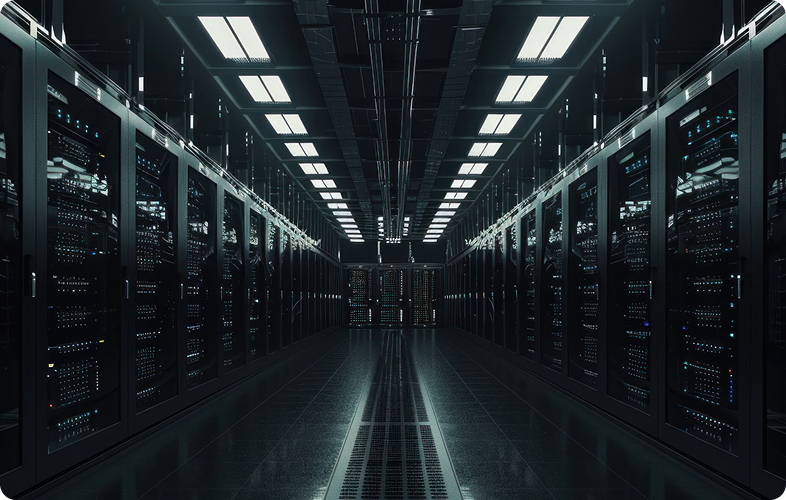
Modern data centers are designed to keep businesses operational during unexpected disruptions. Whether the challenge is a power failure, cyberattack, natural disaster, or hardware malfunction, they provide the infrastructure needed to maintain continuity and support disaster recovery.
In today's digital economy - where every minute of downtime can impact revenue and customer trust - resilient data center infrastructure has become a business necessity.
Understanding the Cost of Business Disruptions
Organisations depend on digital systems for nearly every aspect of their operations. From customer databases and cloud applications to communication tools and financial platforms, technology drives productivity and customer experiences.
When these systems become unavailable, businesses may face:
- Revenue loss from interrupted operations
- Reduced employee productivity
- Poor customer experiences
- Compliance and regulatory risks
- Damage to brand reputation
As digital dependence grows, businesses are investing in modern data centers to reduce downtime risks and improve operational resilience.
What Happens Inside a Data Center During an Outage?
Modern data centers are built to respond immediately when disruptions occur. A typical response process includes:
Detection
Modern data centers are built to respond immediately when disruptions occur.
Backup Activation
UPS systems provide immediate power while backup generators take over.
Workload Protection
Critical applications are redirected to redundant systems to maintain availability.
Alerting
IT teams start looking into the problem after receiving real-time notifications.
Continuity
Business services remain available while recovery activities happen in the background.
This automated response helps organizations continue operating even when unexpected failures occur.
Redundant Power Systems Prevent Operational Downtime
Power outages remain one of the leading causes of IT disruptions. To reduce this risk, enterprise data centers implement multiple layers of protection.
Common safeguards include:
- Uninterruptible Power Supply (UPS) systems
- Backup generators
- Dual power feeds
- Battery backup systems
- Damage to brand reputation
These systems ensure that critical infrastructure remains operational even when primary power sources fail.
Redundant power infrastructure is crucial for sectors like healthcare, finance, and e-commerce that rely on constant availability.
Why One Copy of Your Data Is Never Enough
Data is often a company's most valuable asset. Losing access to customer information, financial records, or business applications can have serious consequences.
Modern data centers use multiple layers of data protection:
| Protection Strategy | Purpose |
|---|---|
| Real-Time Replication | Keeps data synchronized |
| Automated Backups | Enables faster recovery |
| Off-Site Storage | Protects against local failures |
| Geographic Redundancy | Reduces regional risks |
| Cloud Backup Integration | Improves flexibility |
By maintaining multiple copies of critical information, organizations can recover faster and minimize data loss during disruptions.
.png)
Cybersecurity Protection During Crisis Situations
Not all disasters are physical.
Cyberattacks have become one of the most common causes of business interruptions. Ransomware attacks, data breaches, and DDoS attacks can impact operations within minutes.
To strengthen protection, modern data centers incorporate:
- Advanced firewalls
- Intrusion detection systems
- Network segmentation
- Continuous security monitoring
- Threat intelligence solutions
These measures help organizations detect threats quickly, reduce potential damage, and restore services faster.
As cyber threats evolve, cybersecurity has become a critical part of business continuity planning.
The Problems Customers Never See
One of the greatest strengths of a modern data center is its ability to prevent issues before they affect users.
Monitoring systems continuously track:
- Server performance
- Network traffic
- Storage health
- Cooling efficiency
- Security events
This proactive approach allows IT teams to identify and resolve problems before they escalate into service disruptions.
In many cases, customers never know a potential issue existed - and that's exactly how effective business continuity should work.
Cloud Integration Expands Recovery Options
Cloud technology has transformed disaster recovery strategies.
By integrating with cloud environments, modern data centers can:
- Restore applications more quickly
- Scale resources on demand
- Support remote access
- Improve operational flexibility
- Reduce recovery times
The combination of traditional infrastructure and cloud capabilities creates a more resilient environment capable of adapting to changing business needs.
Building Long-Term Business Resilience
Business continuity is no longer just an IT objective. It is a strategic business priority.
Organizations that invest in resilient data center infrastructure benefit from:
- Reduced downtime
- Stronger cybersecurity
- Improved data protection
- Faster disaster recovery
- Greater operational stability
These capabilities help businesses maintain customer trust and remain competitive in an increasingly digital world.